
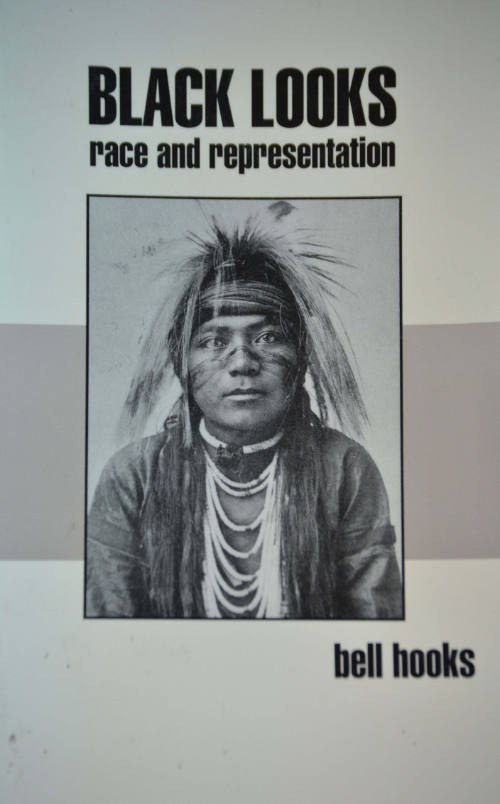
Black Looks: Race and Representation examines how film, photography, television, and popular culture construct Blackness. bell hooks asks who controls representation, how spectators learn to look, and how critical viewing can resist racist and sexist images.
Affiliate disclosure: As an Amazon Associate, we may earn a commission from qualifying purchases made through this link, at no additional cost to you.
Overview
Black Looks: Race and Representation is a collection of essays about images, spectatorship, and cultural power. bell hooks examines how Black people are represented in film, television, photography, and public culture, while also asking how audiences can look back critically at images made within systems of domination.
Representation matters because images do more than reflect society. They help produce assumptions about beauty, desire, danger, gender, and belonging. hooks therefore treats looking as a political act.
Major themes
The oppositional gaze
Critical spectatorship can challenge the demand that viewers passively accept dominant images. Looking back becomes a way to analyze, refuse, and reinterpret representation.
Race, gender, and desire
The essays show that racial images are also gendered and sexualized. Black women’s spectatorship exposes limits in both mainstream media and criticism that centers men.
Creating different images
Resistance includes critique but also the production of art that expands how Black life can be seen.
Book details
| Full title | Black Looks: Race and Representation |
|---|---|
| Author | bell hooks |
| Form | Essays and cultural criticism |
| Edition record | The local catalog does not yet contain verified ISBN, publisher, date, format, or pagination fields for the linked edition. |
Related reading
Outlaw Culture broadens the media critique, Reel to Real focuses on film, and Art on My Mind turns toward visual art.
Who should read it?
The collection is useful for readers of Black studies, film and media studies, visual culture, feminism, and anyone seeking a more active way to interpret images.