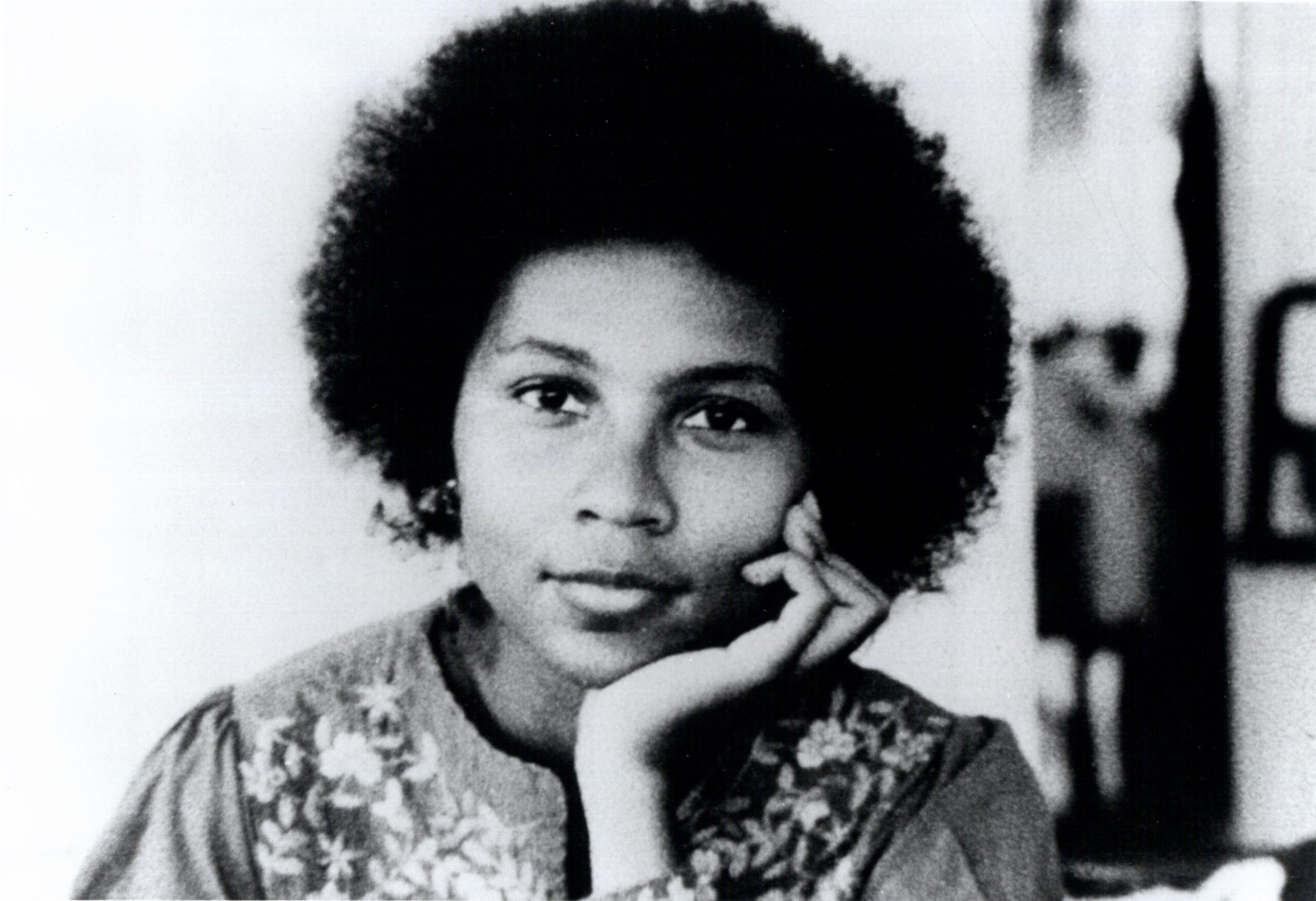
Gloria Jean Watkins, better known by her pen name bell hooks, was an influential American author, feminist, cultural critic, professor, and social activist. As a Black woman growing up in the segregated South, hooks experienced many of the inequalities that would later shape her groundbreaking work. She adopted her pen name from her maternal great-grandmother, bell Blair hooks, a woman known for her courage, wit, and willingness to speak her mind. By using her great-grandmother’s name in lowercase letters, hooks chose to emphasize the importance of her ideas over her identity. Throughout her career, she wrote with honesty and compassion, drawing on her own experiences while challenging readers to imagine a more just and equitable society.
hooks’s writing focused on the intersectionality of race, gender, and capitalism. She examined how these forces intersect to create and sustain systems of oppression and class domination. Over the course of her career, she published more than 30 books along with numerous scholarly articles, appeared in documentaries, and delivered lectures around the world. Born in Hopkinsville, Kentucky, to a working-class family, hooks went on to become one of the most influential public intellectuals of her generation.
In 2014, Berea College established the bell hooks Institute to preserve her legacy and promote scholarship inspired by her work. hooks served as a Distinguished Professor in Residence at Berea College until her passing in December 2021.
Her work was deeply influenced by the powerful legacy of Sojourner Truth, particularly her famous speech, Ain’t I a Woman, which challenged racial and gender discrimination at a time when such conversations were often ignored. Similarly, hooks’s book All About Love: New Visions examines how patriarchal expectations and rigid gender roles shape our understanding of love and relationships. Throughout her writing, hooks frequently drew from her own life to illustrate complex ideas, making her work both intellectually engaging and deeply personal. Her enduring legacy continues to inspire readers to confront injustice and work toward greater equality.
Through her postmodern perspective, hooks explored a wide range of subjects, including race, class, gender, education, sexuality, art, history, mass media, and feminism. Her scholarship challenged readers to think critically about power, privilege, and the possibilities for social change. Although bell hooks passed away on December 15, 2021, her influence continues through her books, lectures, and the ongoing work of the bell hooks Center at Berea College. Her writings—including works such as *Killing Rage: Ending Racism*—continue to challenge readers to confront racism, sexism, and other forms of oppression while imagining a more compassionate and equitable world.